
StoryOS · for nonprofits and mission teams
For nonprofits and mission teams
Turn one interviewinto a monthof stories.
StoryOS tells you which stories to tell and why now, finds the best moments in your footage, cuts captioned clips for every channel, and learns more about your organization with every interview.
Free plan · no card · 1 seat · 5 GB
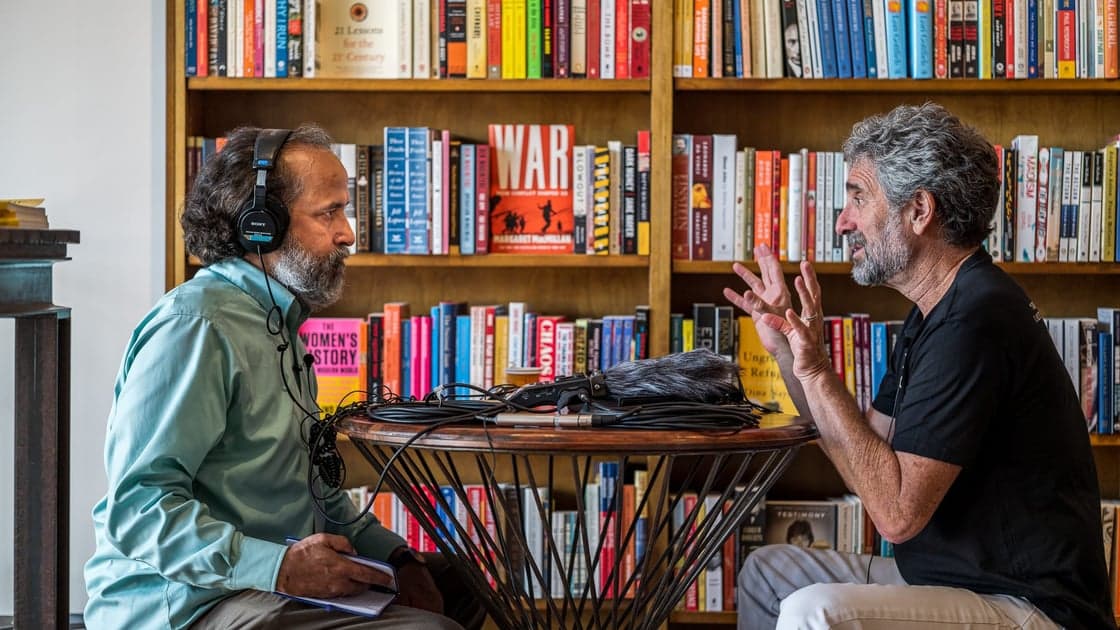
Open on 12:40. Strongest hook in the interview (88/100).
 Reels · 0:38
 Shorts · 0:52
 LinkedIn · 1:04
Illustrative example
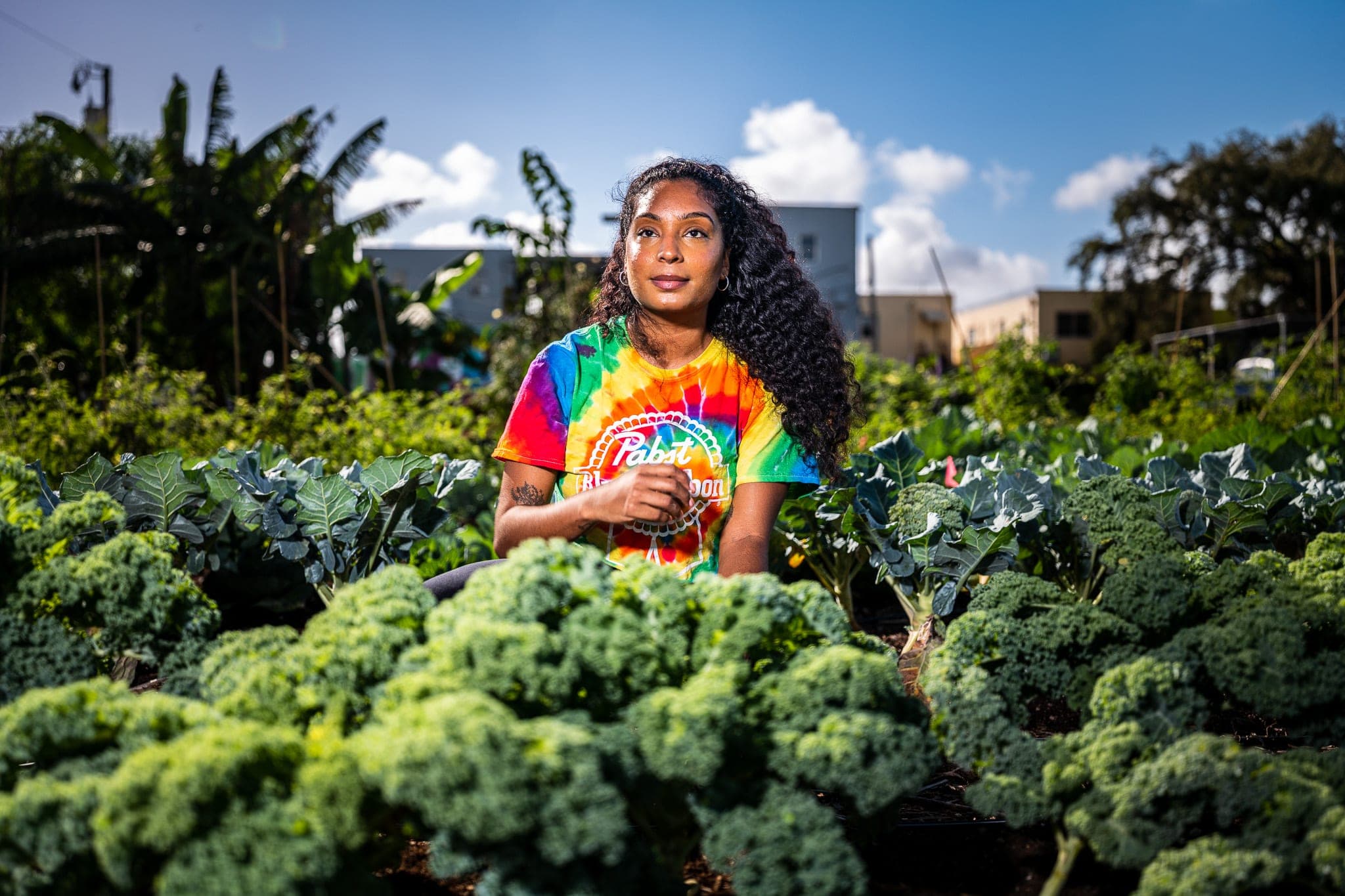
Good Miami Project · Photography
One shoot, every frame findable
A morning of photography at the garden. Every frame arrived described, shot-typed, and tagged — searchable in their library the same day, with nobody renaming a file.
How the Good Miami Project began →Mission organizations we work with


The friction
Your oldest story has been waiting over four months.
Footage sits on a drive while the moment passes and the appeal goes out without it. StoryOS counts what's waiting and tells you what needs you next.
A real Org Home on day nine. Every other tool would have shown four green checkmarks.
The platform
A studio has five rooms. So does this.
Five jobs your team is already doing by hand, across seven tools. Here they are in one place, in the order a story moves through them.
Plan
Slate the quarter and write the questions.
Story Plan, Campaigns, StoryMineInterview
Record in the browser, against the plan.
Interview Room, Podcast, CrewProduce
Book the day and brief the crew.
Projects, Productions, SchedulingEdit
Plan the cut, score it, then export it.
Storyboard, Clips, Edit Room, ReviewsDistribute
Schedule the whole set everywhere at once.
Content Calendar, Channels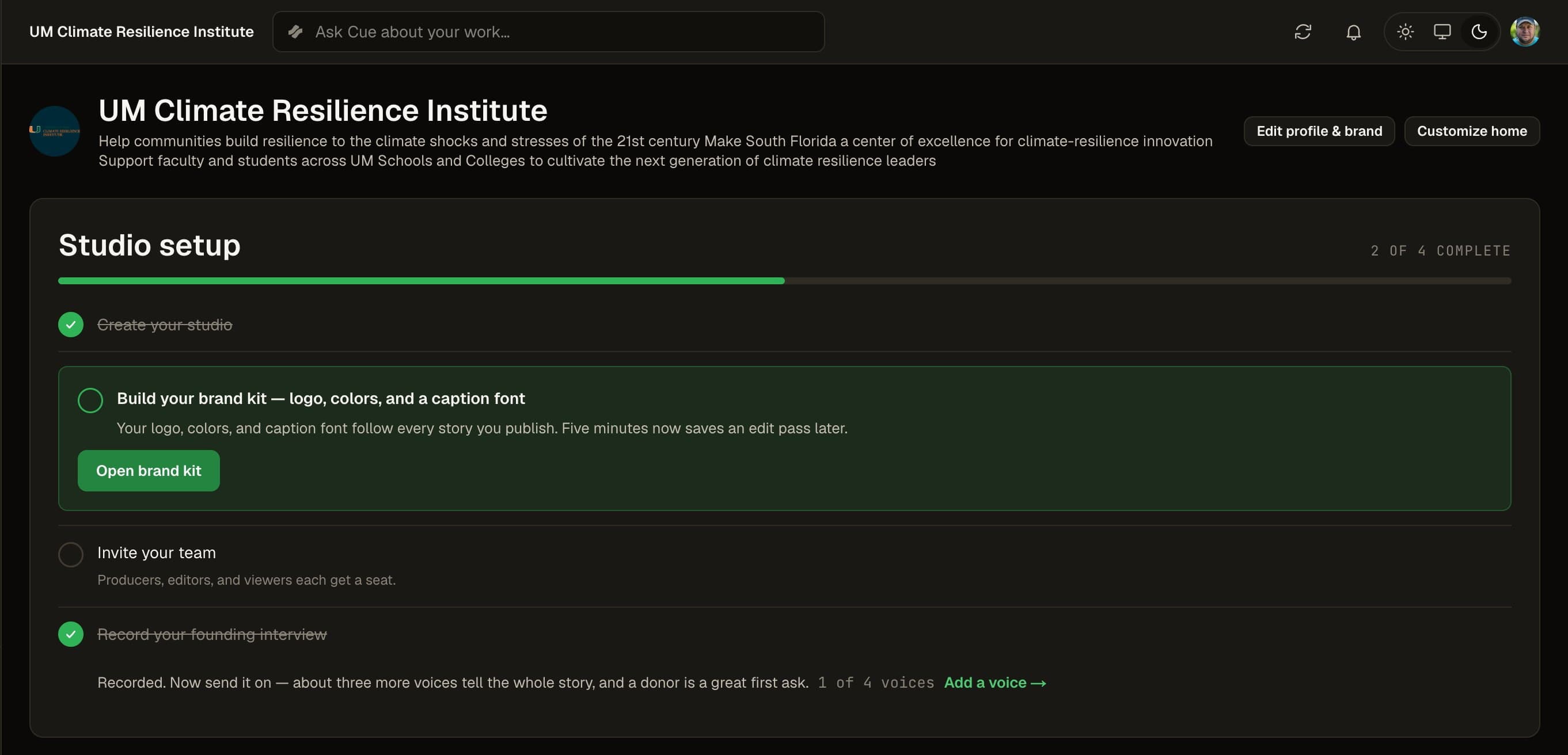
The storyboard
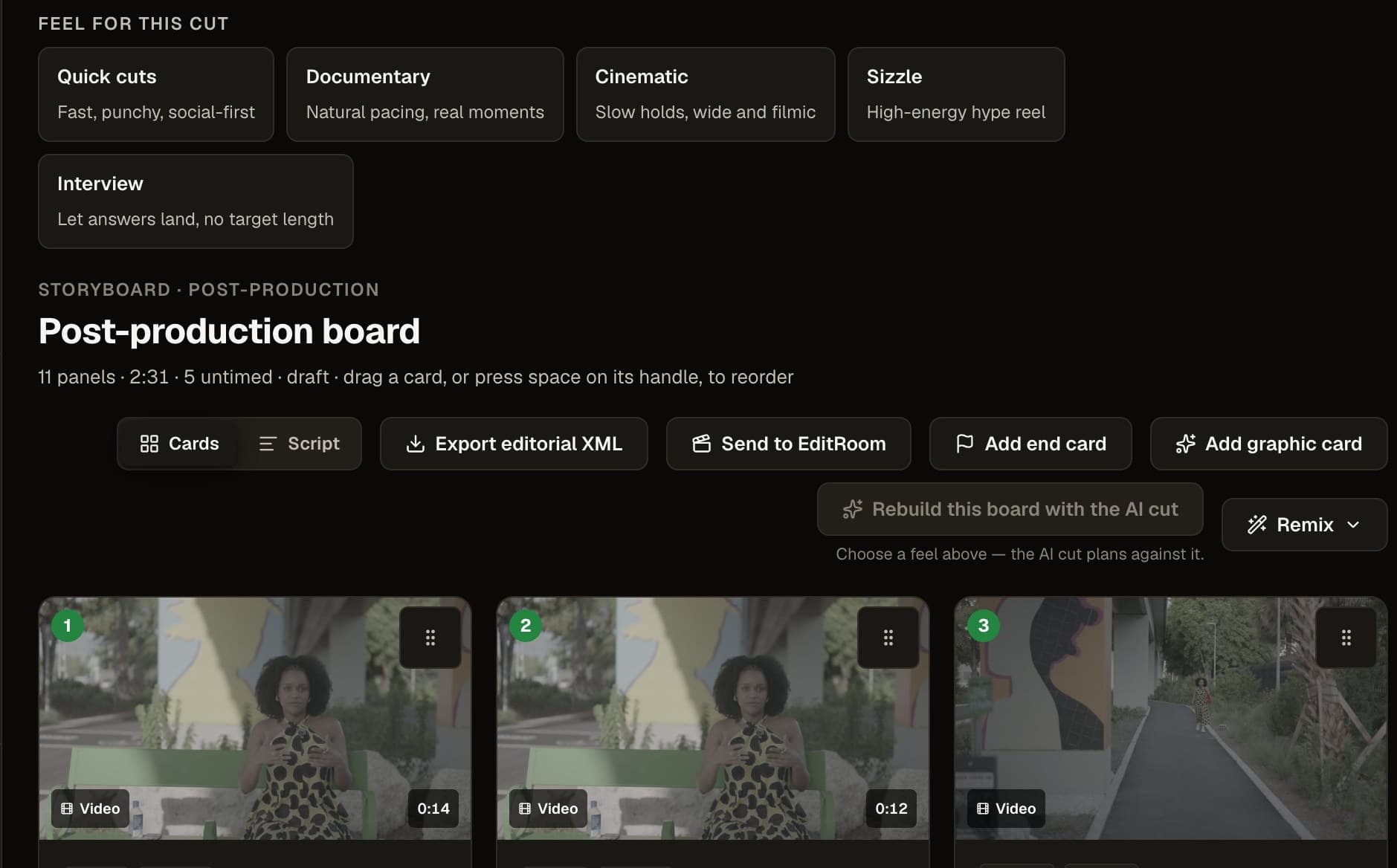
Your cut, scored before anyone exports it.
Every beat timed to the source footage. Pick a feel, reorder by hand, then send it to the Edit Room or export editorial XML to your own editor.
Exit one · your editor
Take the board to your NLE.
Export editorial XML with every beat timed and every clip resolved through Shade. Your editor opens it in Premiere, Resolve, or Final Cut and cuts the way they always have.
Exit two · the system
Or send it to the Edit Room.
Cue assembles the cut, then hands you the transcript. Cross a sentence out of the words and the video gets shorter. Channels are chosen up front, so one cut is built for wide, vertical, and square at once.
Your library, on Shade
Every file explains itself the moment it lands.
Point StoryOS at a drive and it scans, syncs, and reads everything on it. Your archive becomes searchable without anyone renaming a single file.
On ingest, automatically
Described, shot-typed, tagged
One sentence on what happens in the clip. Wide, medium, close-up, tracking, POV, or drone. Five descriptive tags. Every file, no one typing.
Read from the file itself
Camera, lens, codec, GPS
Make, model, lens, focal length, aperture, ISO, frame rate, codec, duration — and where it was shot. Find every drone shot from that one morning in seconds.
Rides with the asset
Approvals and edit state
Approved, in review, or rejected. Color graded, edited, needs revision. Used in the final cut or not. Transcripts and comments attached to the clip, not to an email.
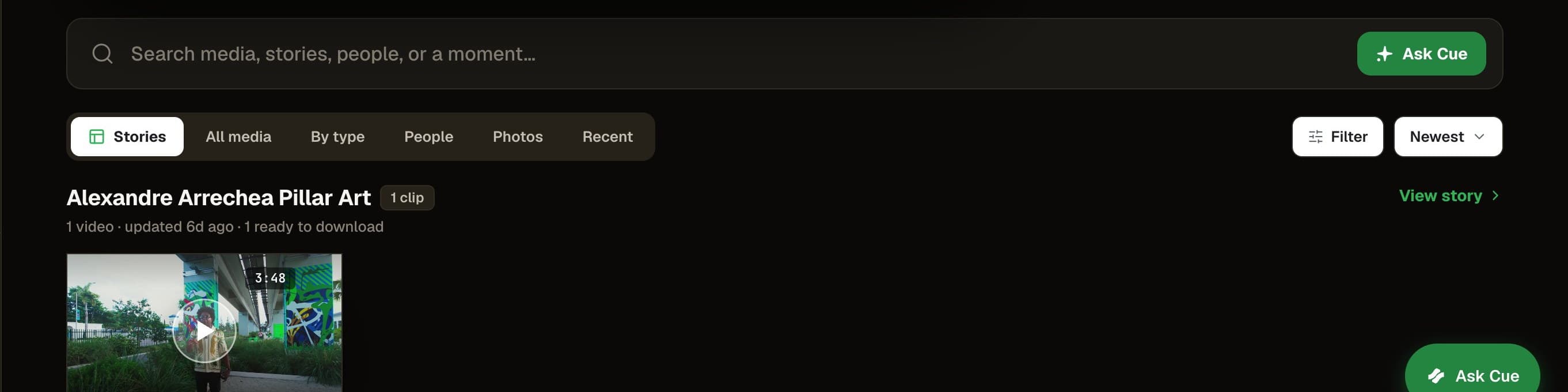
The closed loop
Stories become campaigns. Campaigns become gifts.
A story owns its footage, clips, consent, and posts. A campaign points a set of stories at one goal. The last two steps — stamping the appeal and crediting the gift — are in build now.
One story owns everything it made.
- Interview
- Transcript
- Consent
- Clips
- Posts
- Reviews
Point a set of stories at one goal
Audiences, channels, and a schedule.
Stamped into your donor CRM
Each appeal credits exactly one story.
In buildDollars sum back to the story
No gift counted twice.
In build↺And the loop closes — what raised money shapes next quarter's slate.
The Real People Standard
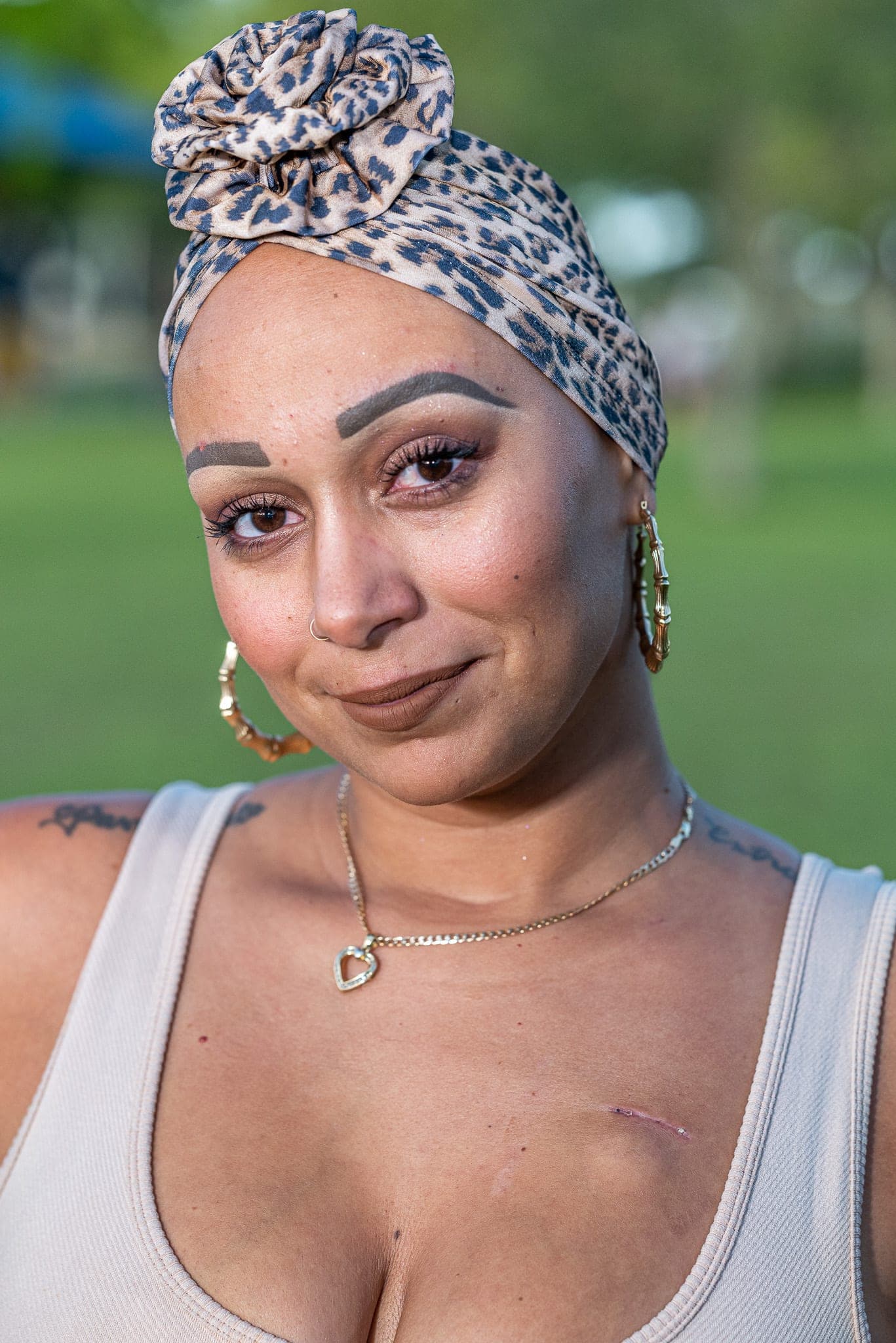
Every frame is someone who said yes.
How we protect your footage →Footage you own
Every frame traces to something your organization shot or licensed. No synthetic people.
Who appears, on record
StoryOS records who appears in each clip and marks anything still missing a release before it goes out.
A person signs off
StoryOS drafts. Someone on your team approves before anything reaches a donor, a board, or an audience.
Day one
Day one is one interview.
Record the story of your own organization in about 25 minutes. Studio setup walks your team through the rest, and each step ticks itself off when the real thing happens.